
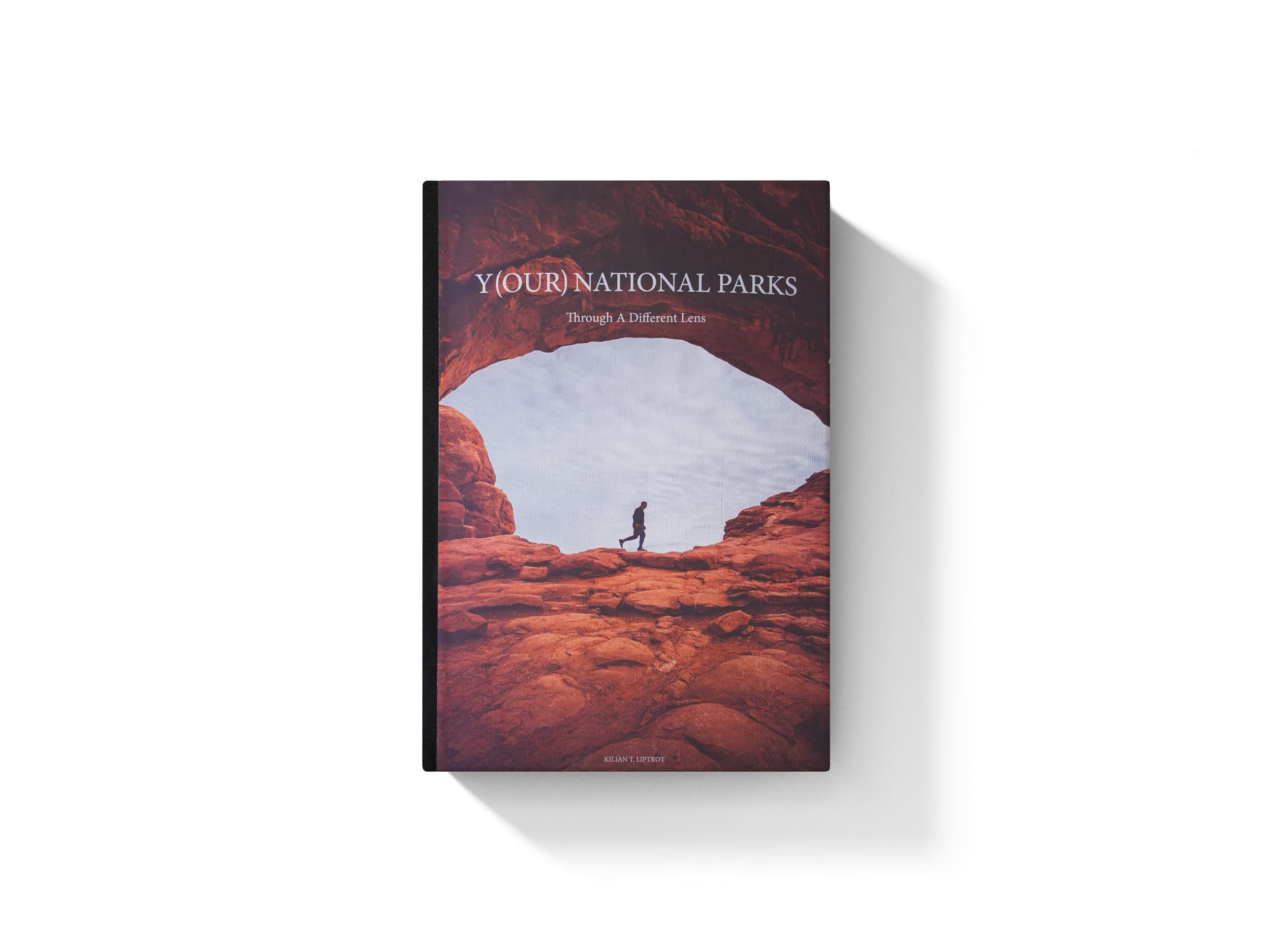
Y(our) National Parks — The Public Lands Room
RPS Grant 2026 application portfolio · Kilian Liptrot

Kilian Liptrot
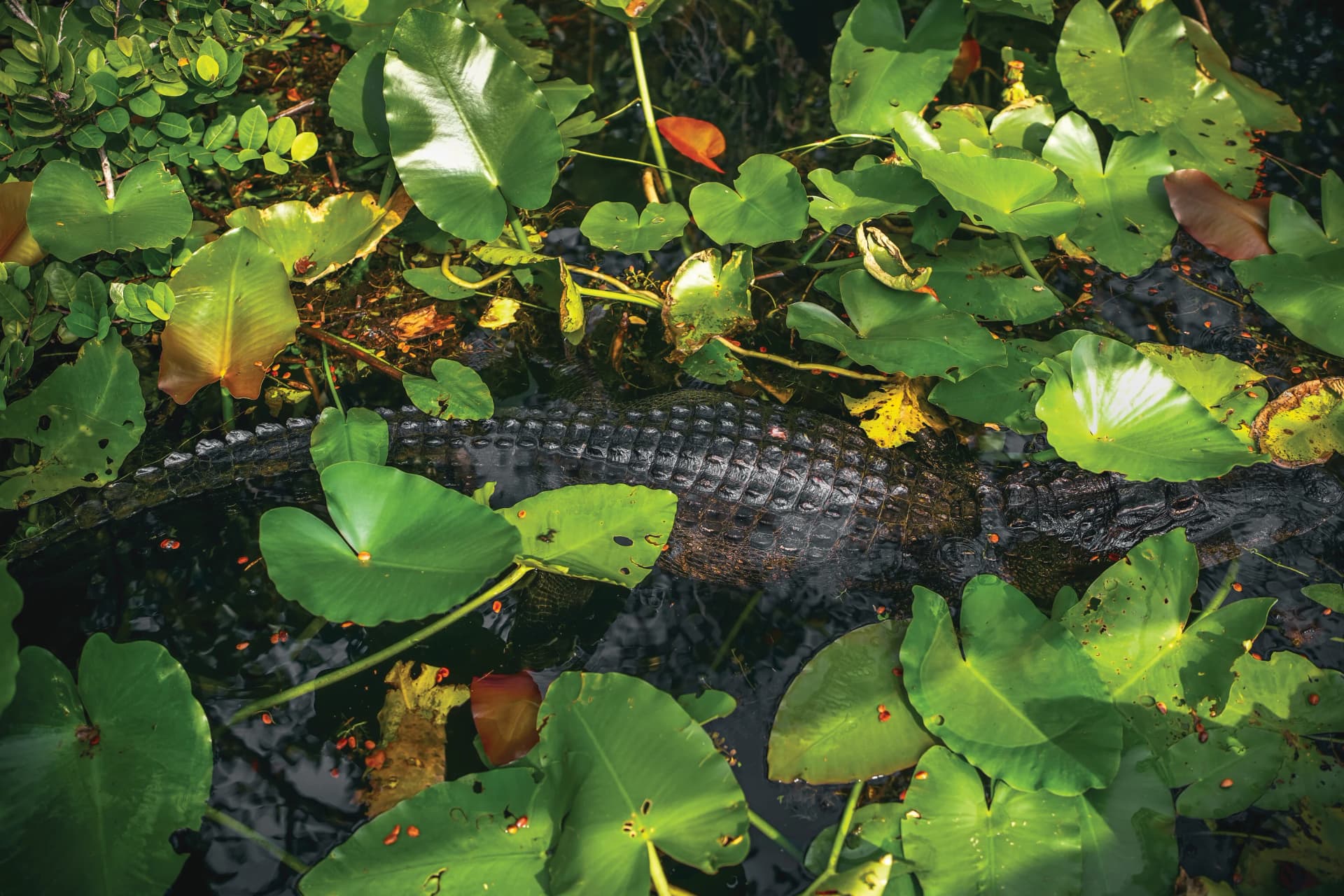
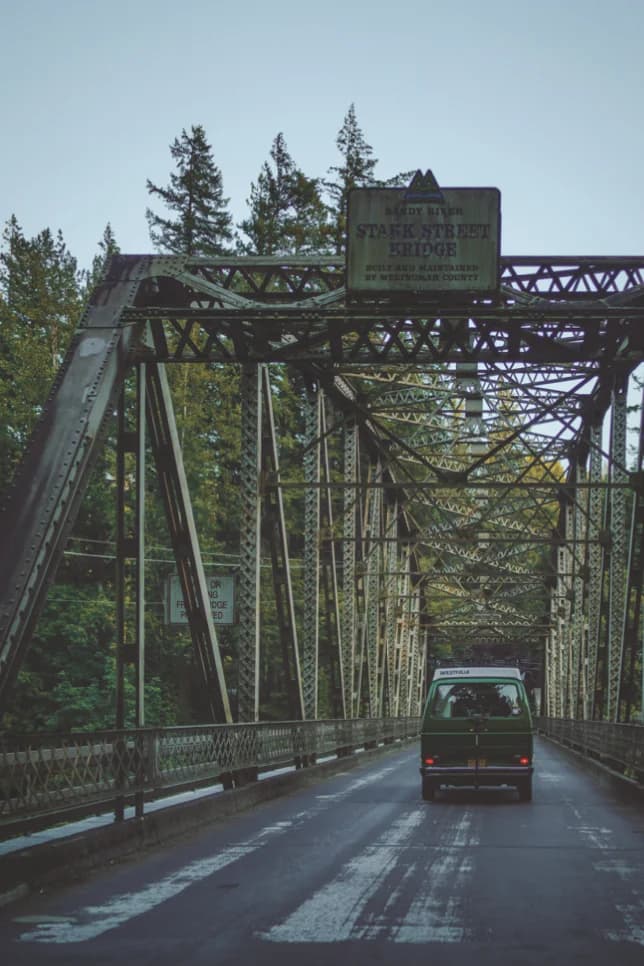
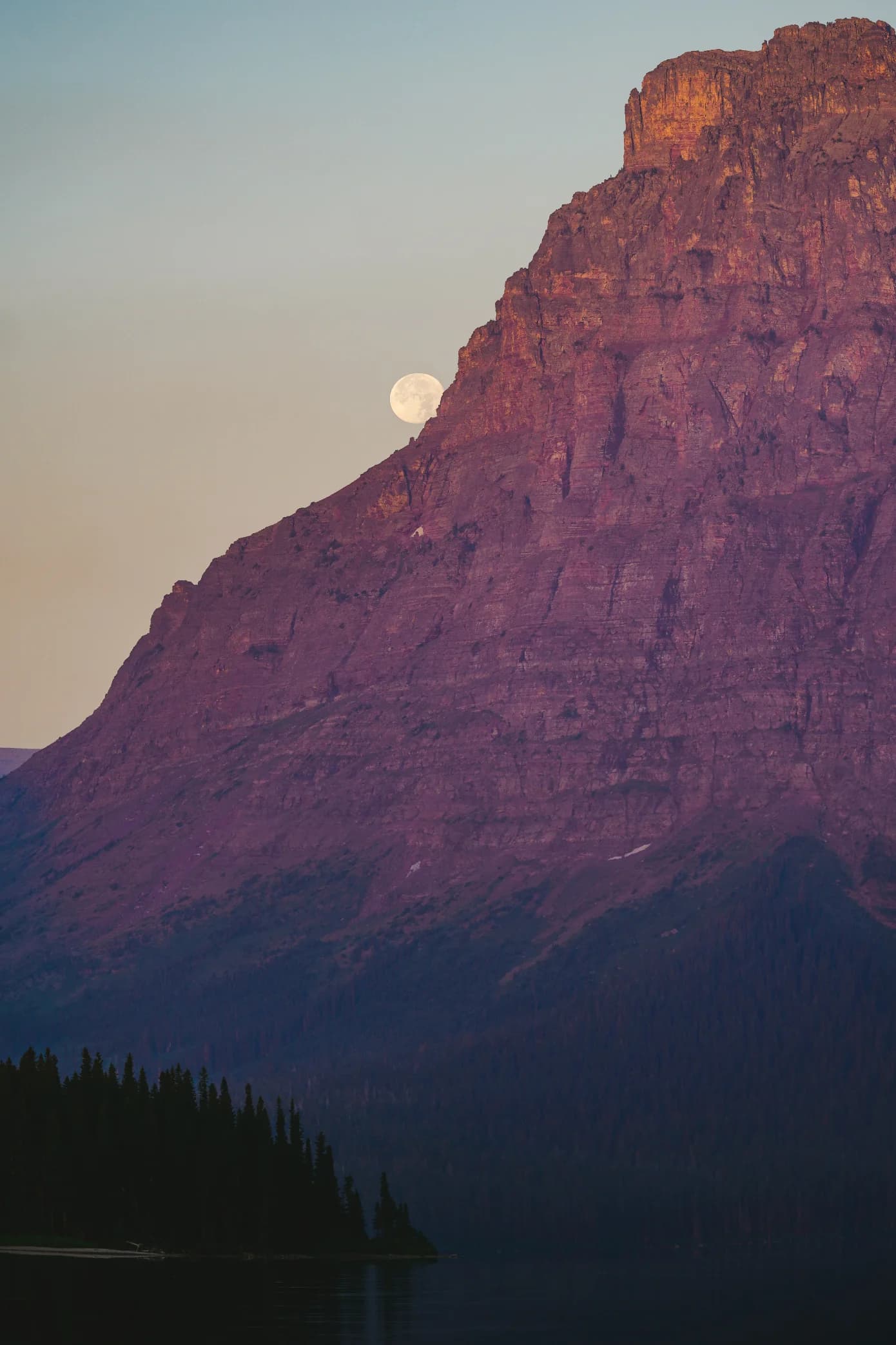
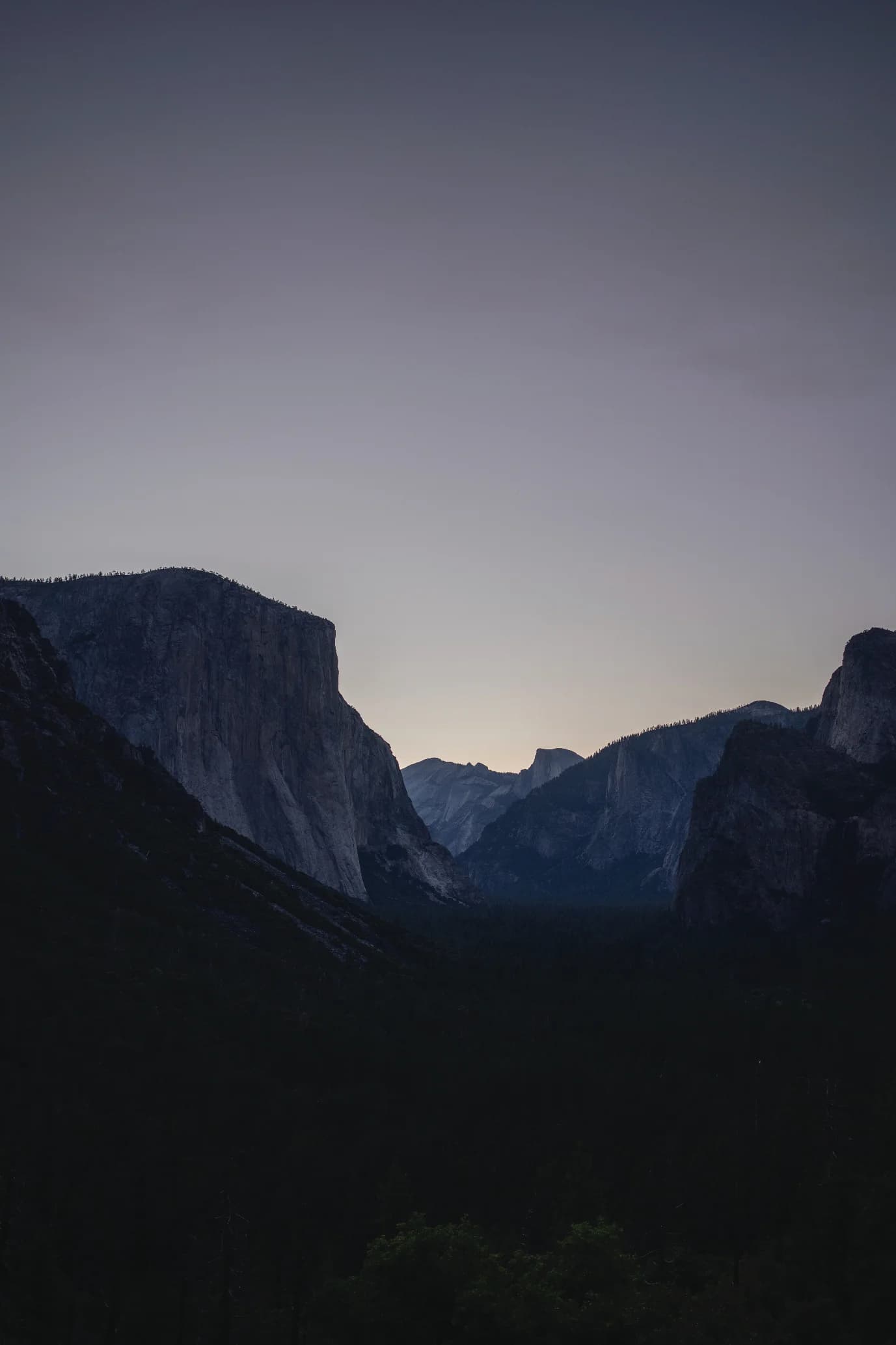
This page is the permanent application packet for the 2026 RPS Grant proposal “Y(our) National Parks — The Public Lands Room.” It contains the project statement, exhibition proposal, aim and rationale, and a 20-photograph working visual corpus selected from Kilian Liptrot’s travel and public-land archive. The photographic sequence is intentionally broader than postcard landscape: routes, thresholds, public access infrastructure, wildlife encounters and distant views are part of the project’s argument about who can reach a place and how photography changes that distance.
Applicant: Kilian Liptrot · American photographer, author and publisher based in Germany · Blinding Visuals Press / ARTSSN · Portfolio: https://artssn.com/blindingvisuals · Contact: kilian@blindingvisuals.com
#1 Project statement
A landscape photograph can make a place feel close while leaving its actual distance untouched. Y(our) National Parks began with that tension. America’s public lands are held in common, yet time, money, information and a sense of belonging shape who gets to experience them. The project uses landscape photographs, routes, wildlife encounters, sequencing and short texts to ask what it means to see, travel to, and feel invited into these places. For RPS I want to move the work from book scale into a room, without losing the intimacy and pacing of the page.
#2 Exhibition proposal
The Public Lands Room would translate Y(our) National Parks into a lightweight, reversible exhibition and reading room. An enlarged landscape photograph would establish the first threshold. Around it, smaller photographs and short texts would be grouped around distance, invitation, threshold and return. The center would hold a reading table with the published book and a simple room-specific sequence. The installation can be produced locally as lightweight prints or panels, requires no permanent alterations or technical infrastructure, and can be adapted to either RPS Tokyo or Kyoto. The relationship between wall-sized image and handled book is the point: visitors move from spectacle to close reading.
#3 Aim, uniqueness, and why RPS
The project asks how photography can reduce the distance between a place and a person without pretending the distance disappears. Its uniqueness is the deliberate movement between photograph, book and room: the same work changes meaning as it is enlarged, sequenced, handled and shared. RPS is compelling because the grant supports exhibitions, book launches and experimental photographic presentations, and offers a concentrated context where the work can function simultaneously as an exhibition and a public reading room. Presenting an American public-lands project in Tokyo or Kyoto also removes it from its home geography and tests what ideas of access, ownership and belonging communicate across place.
Selected visual corpus
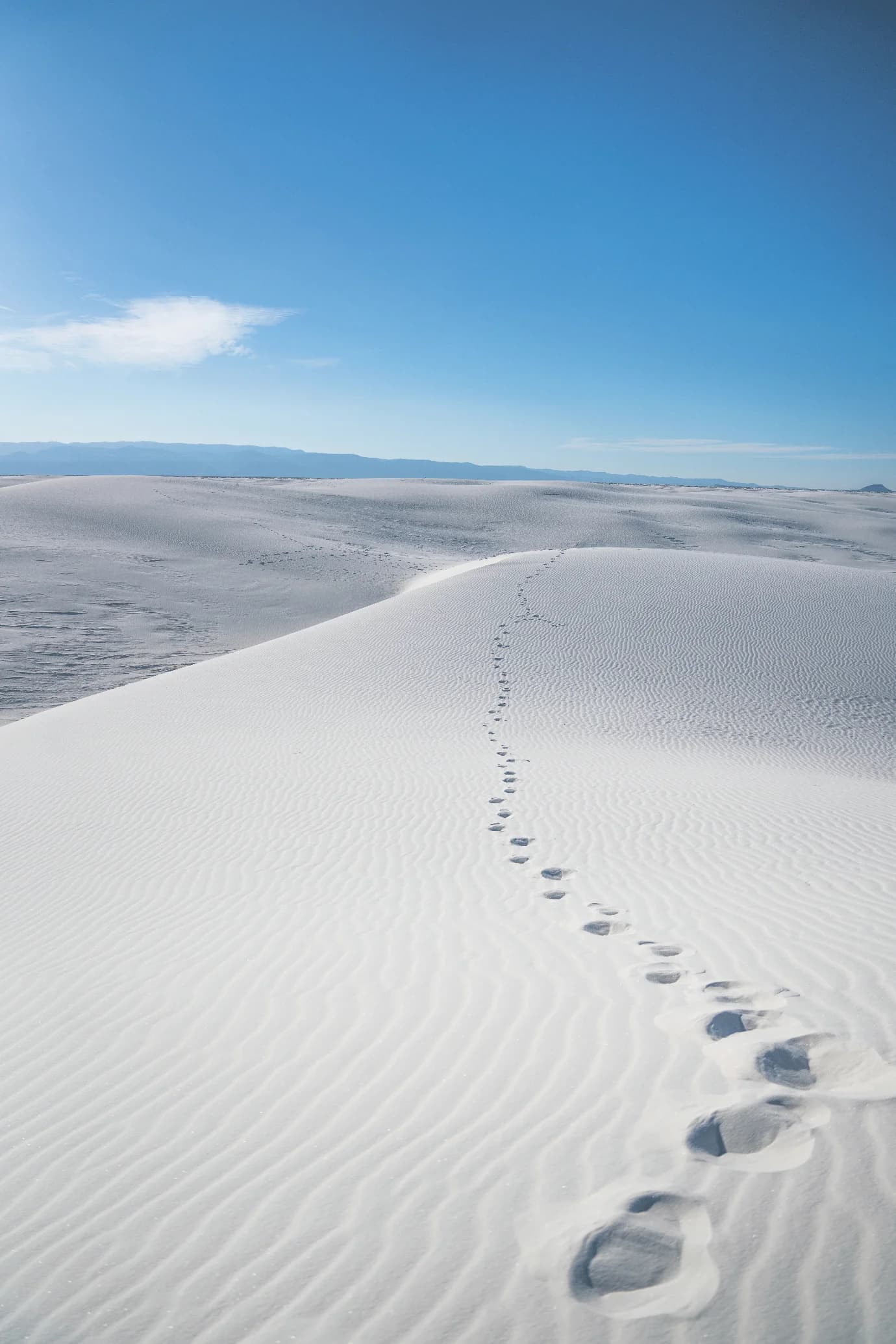
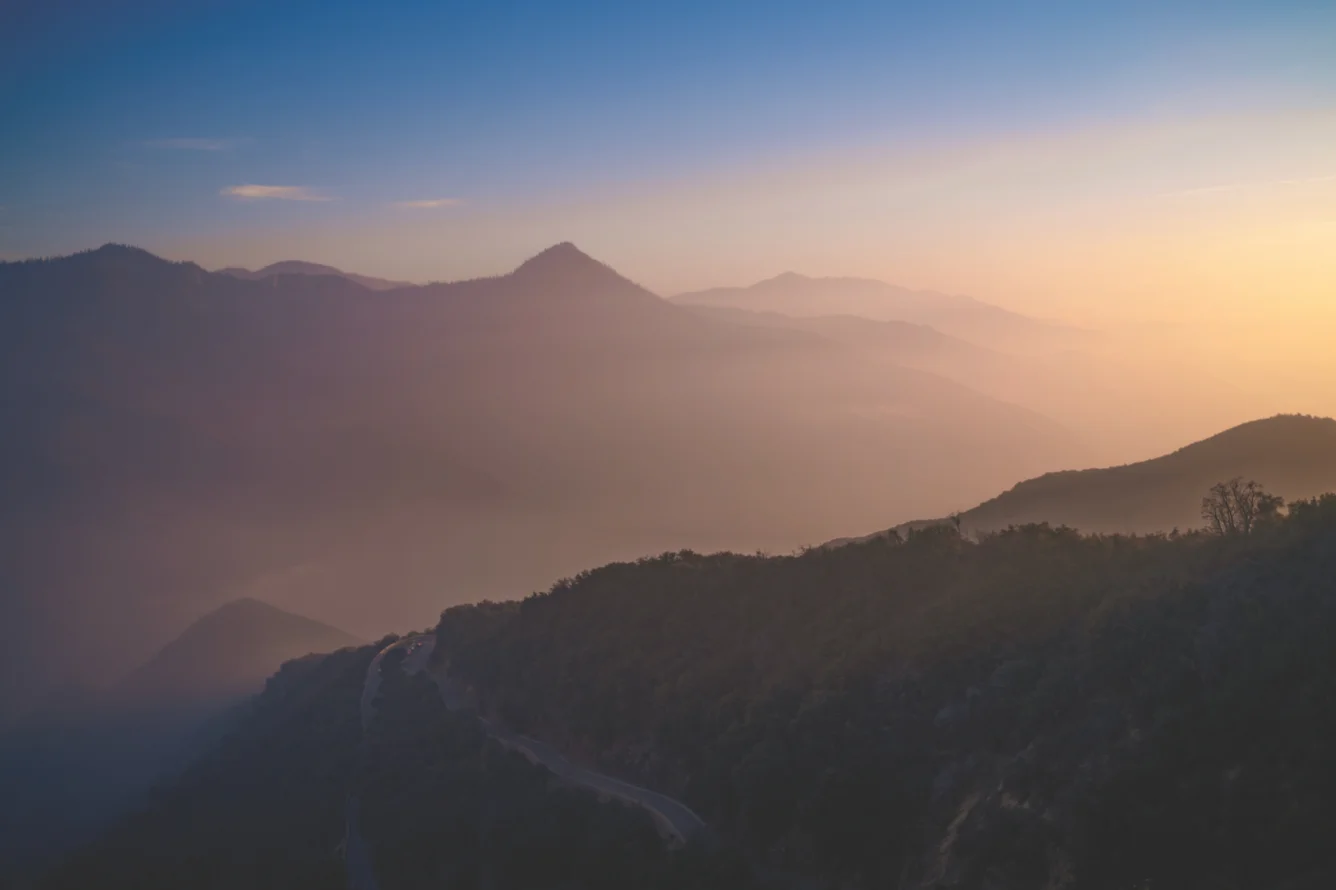
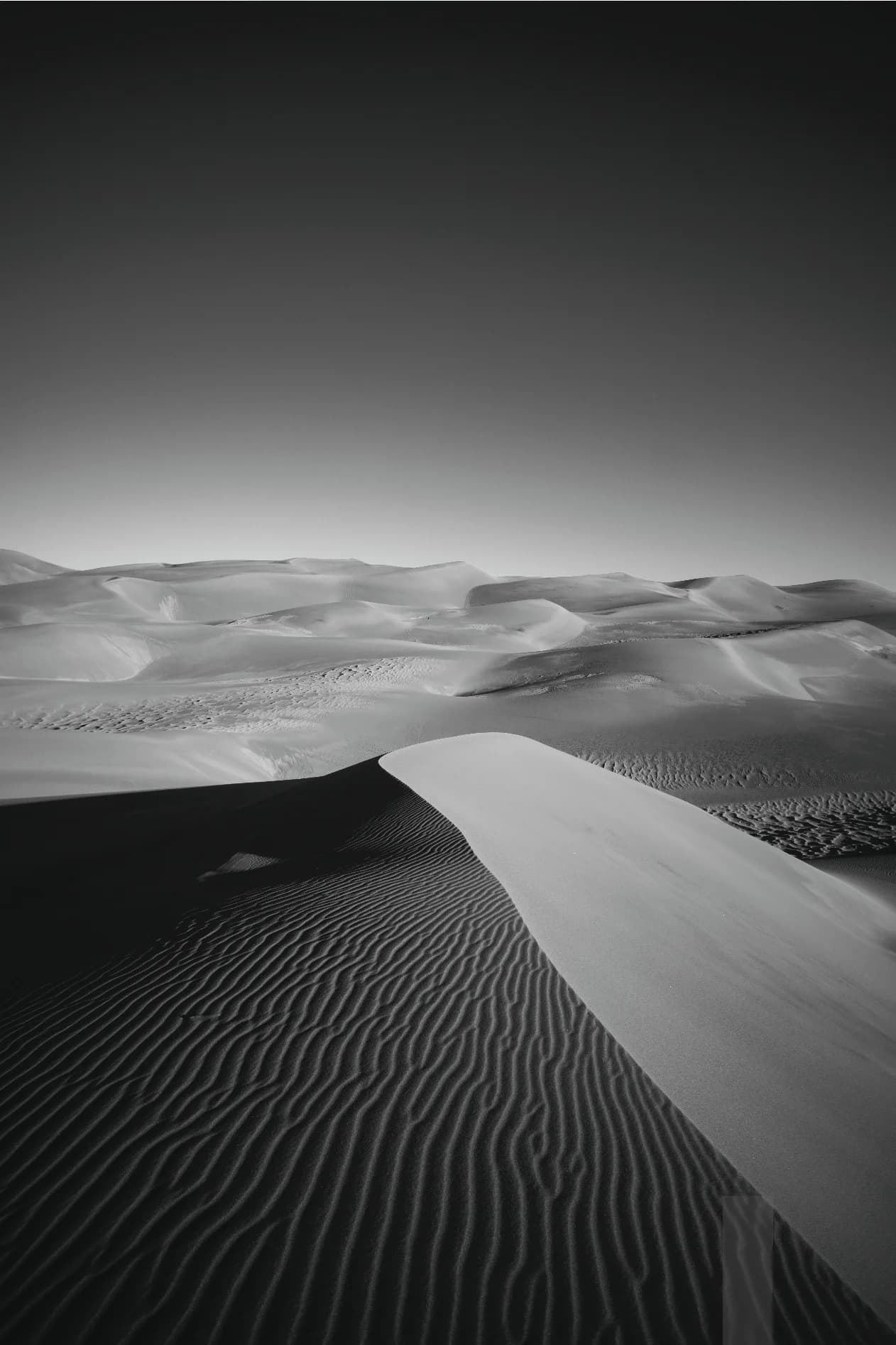
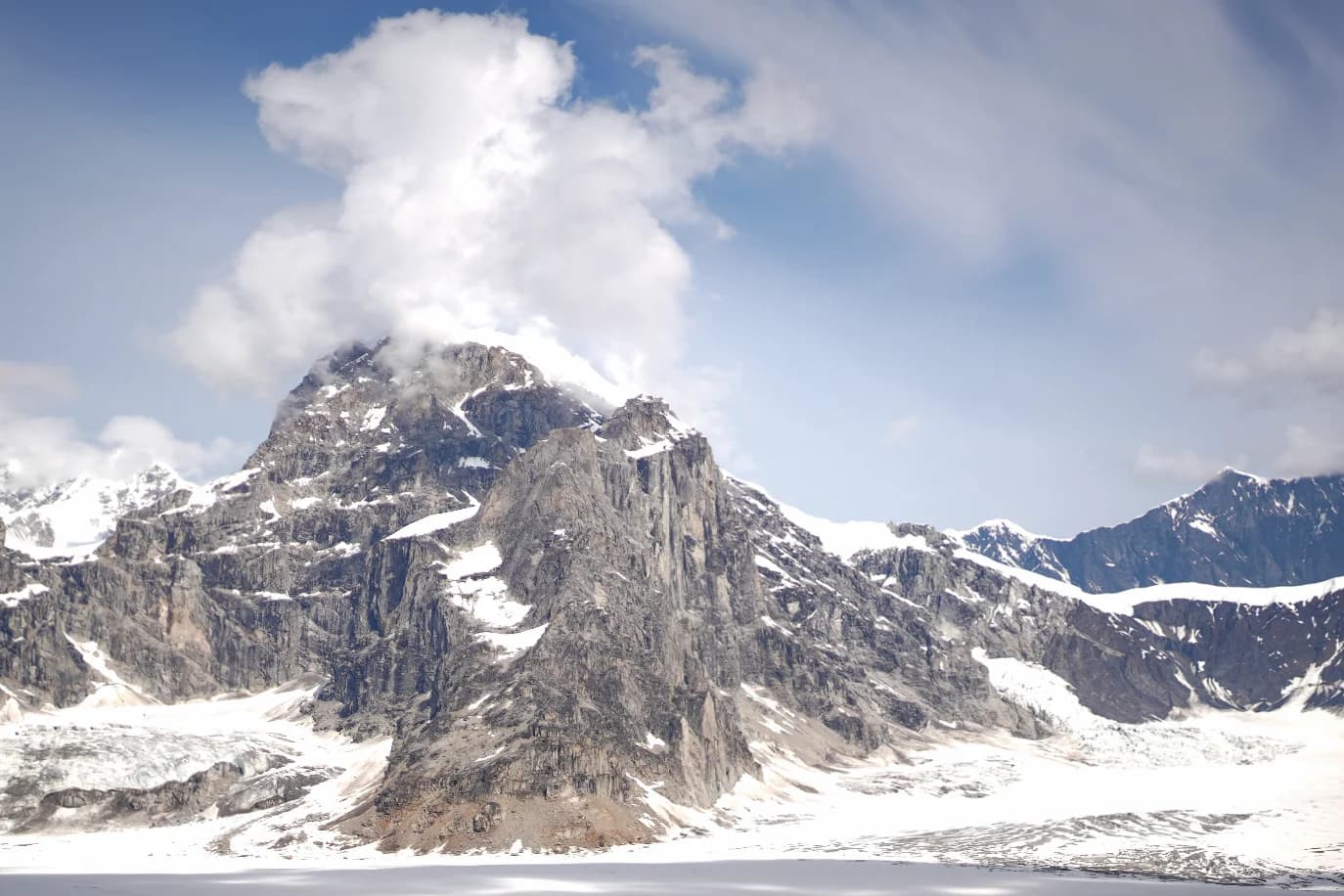
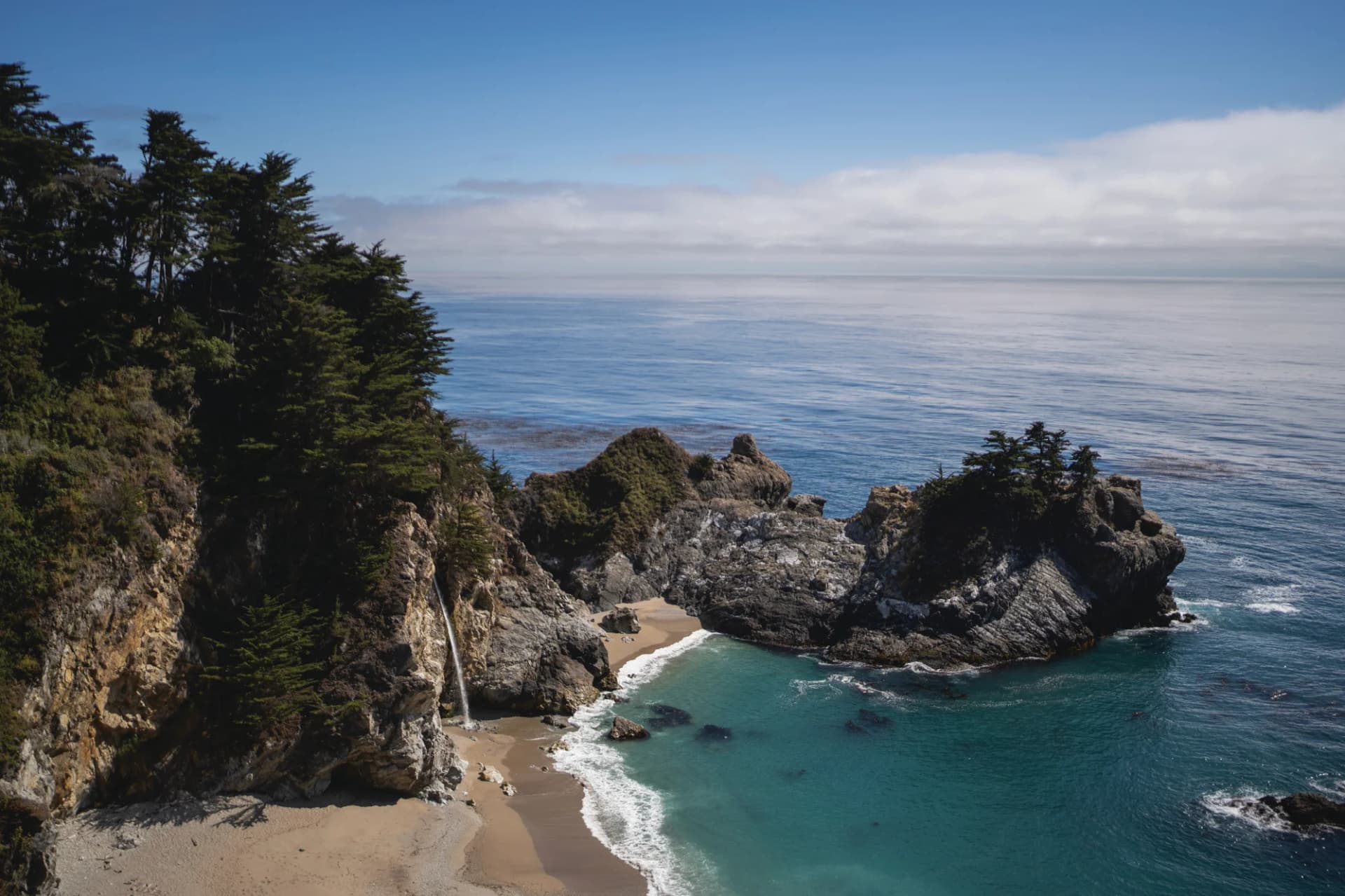
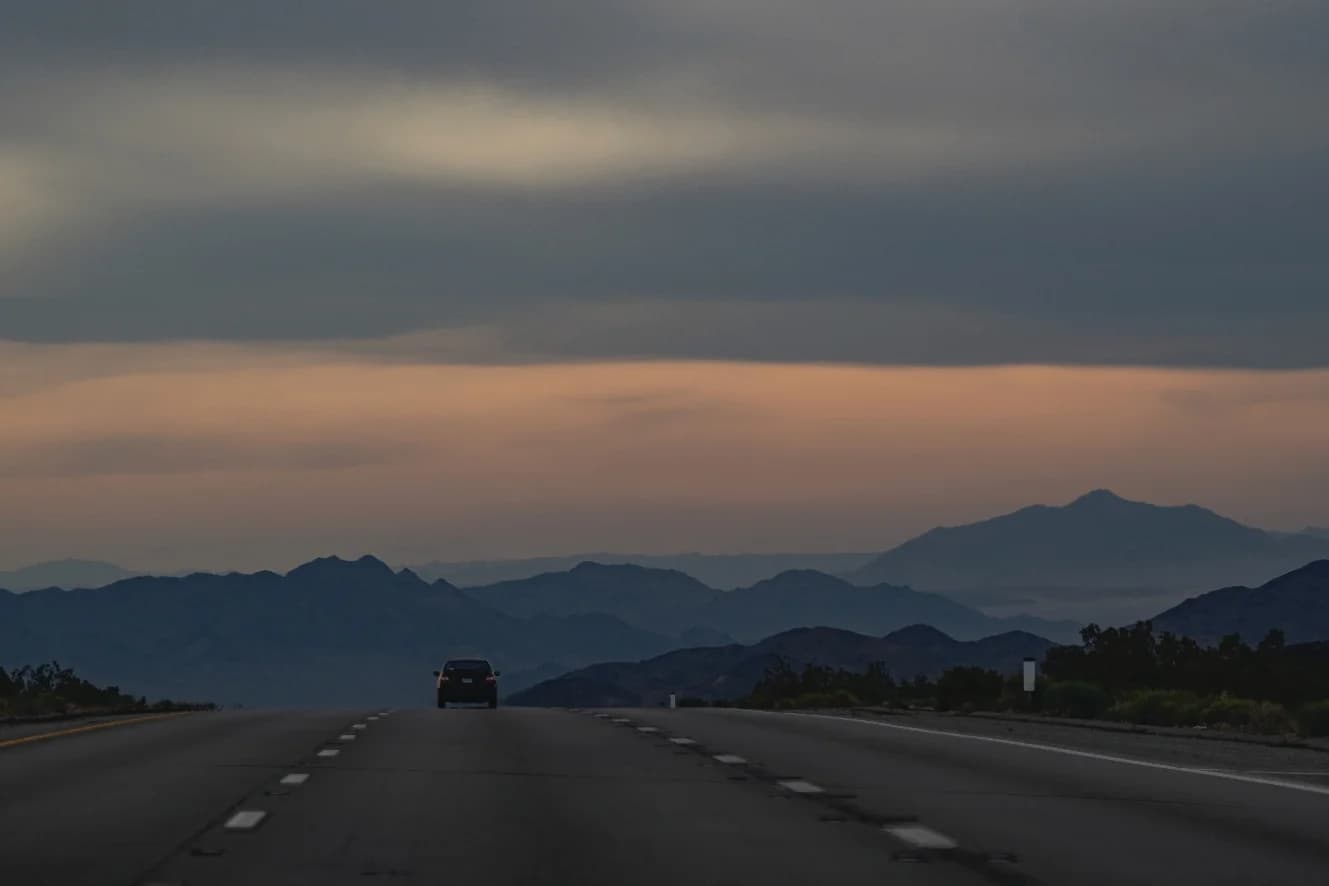
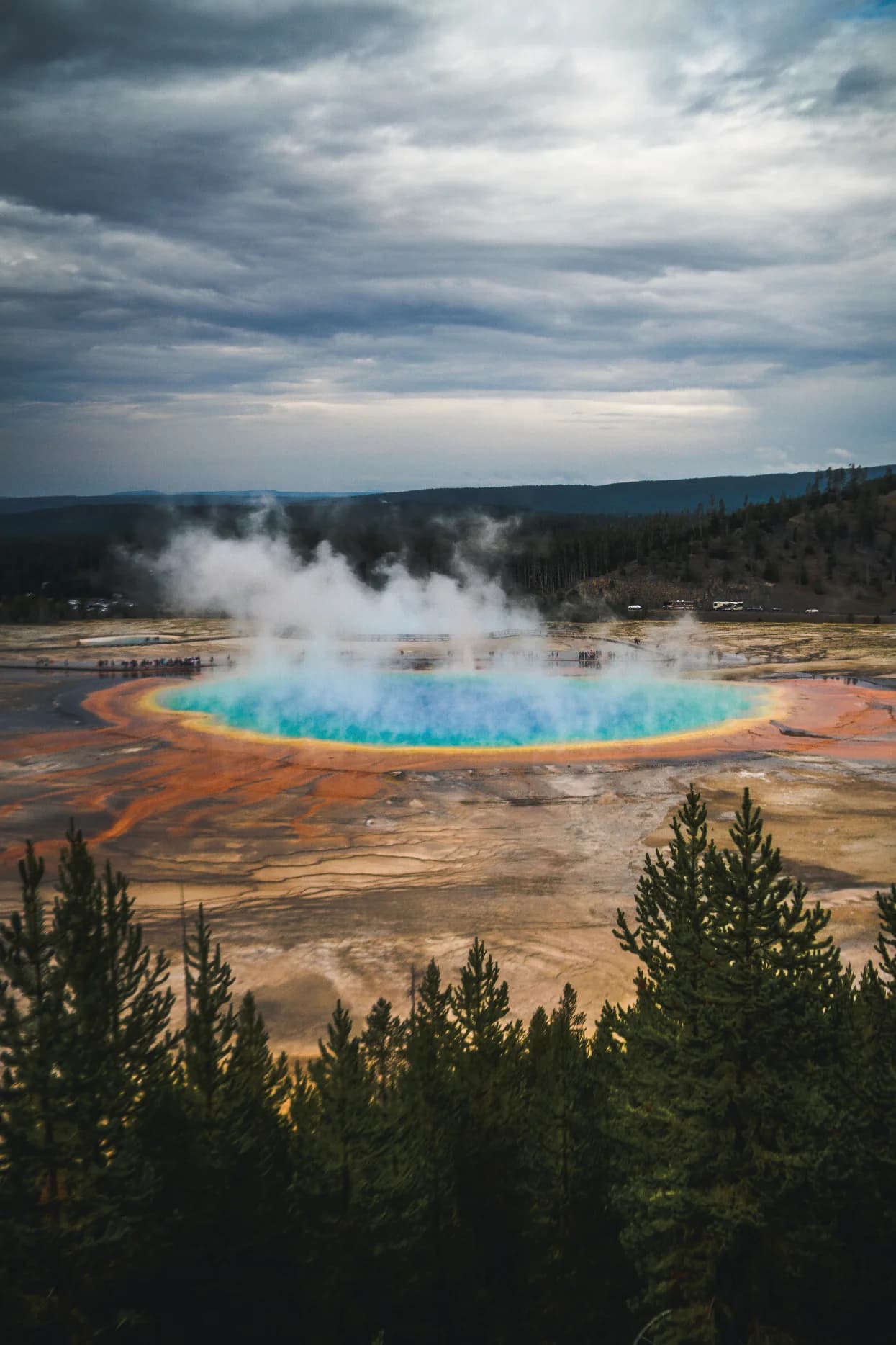
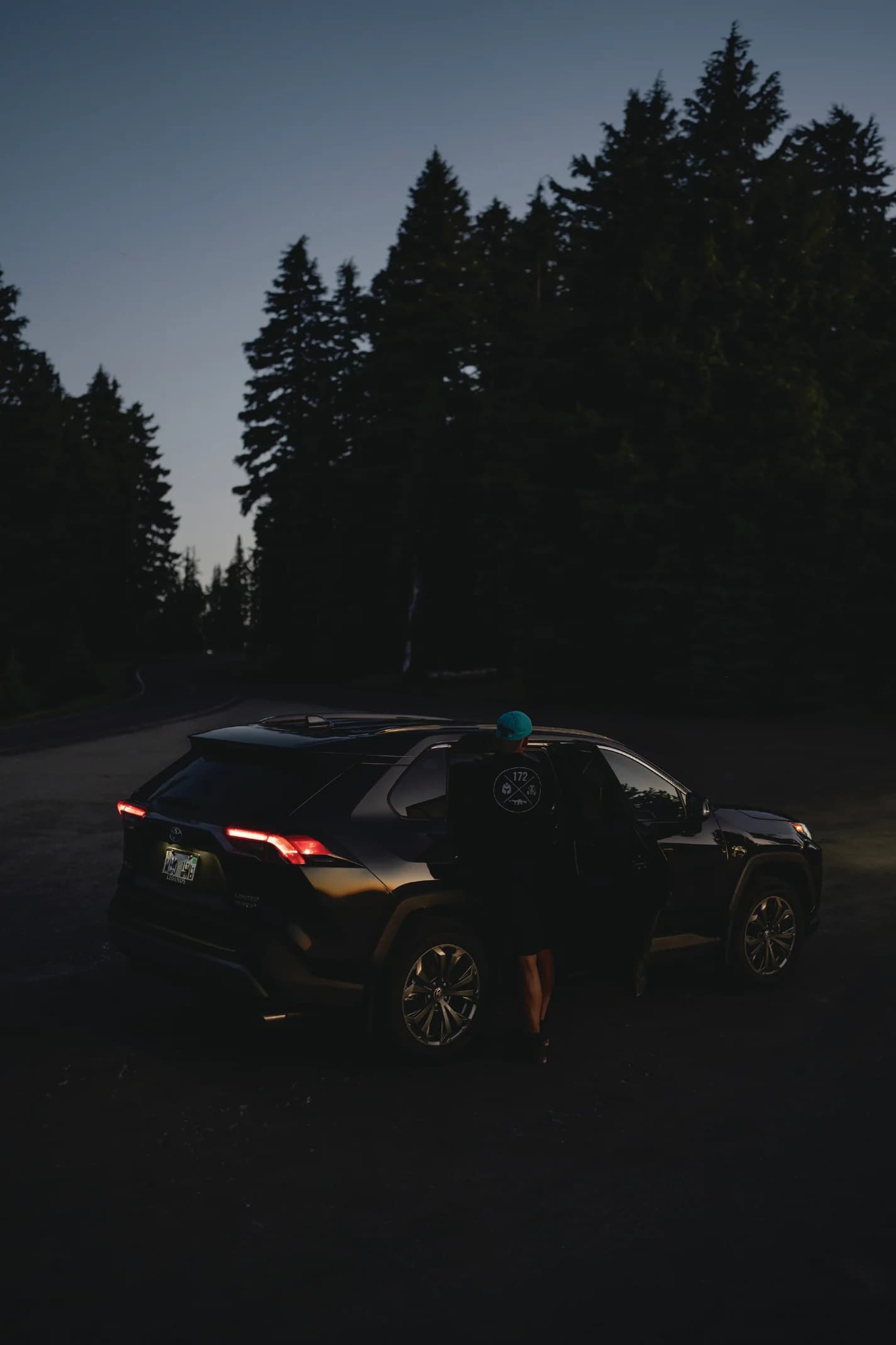
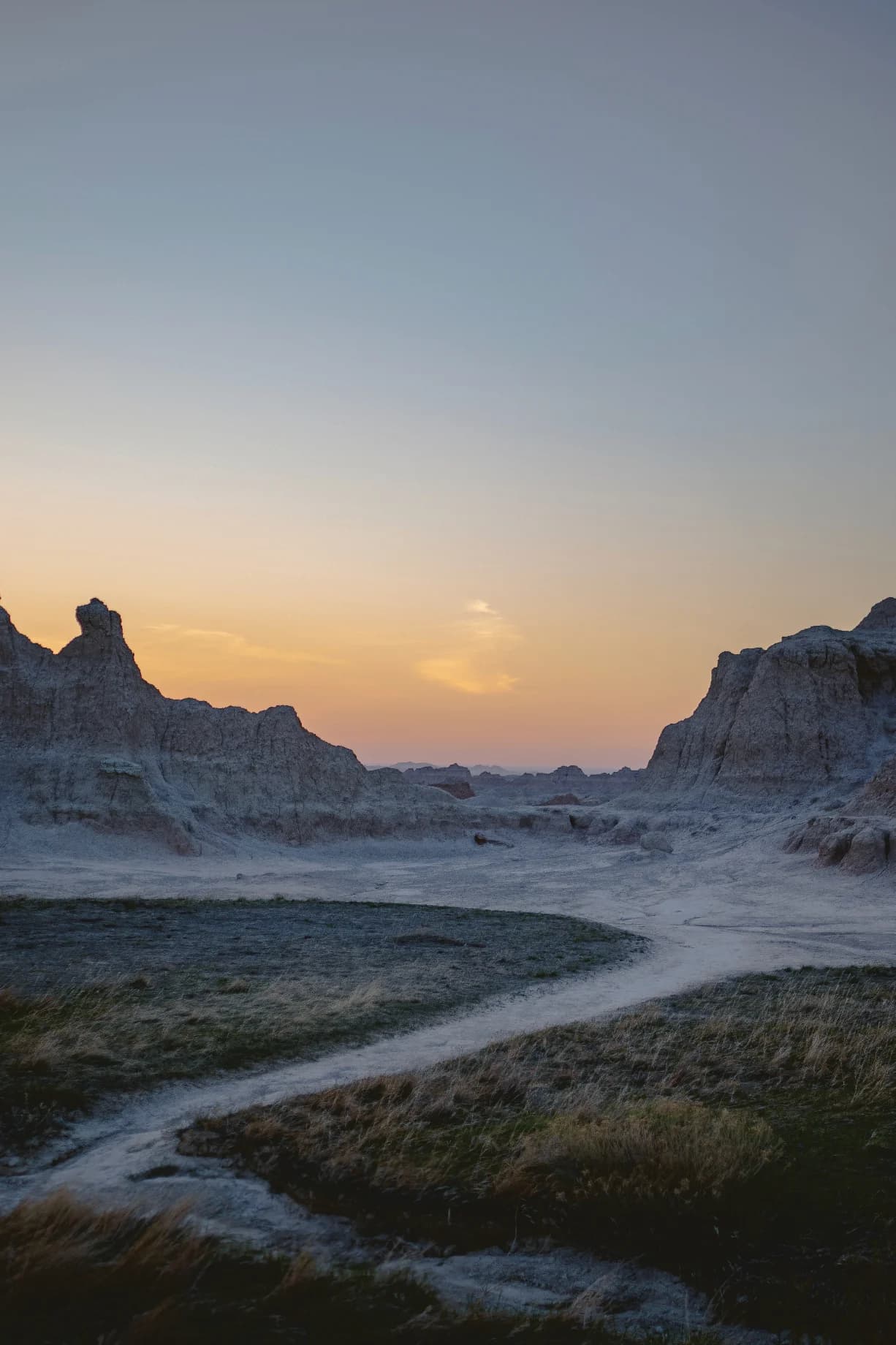
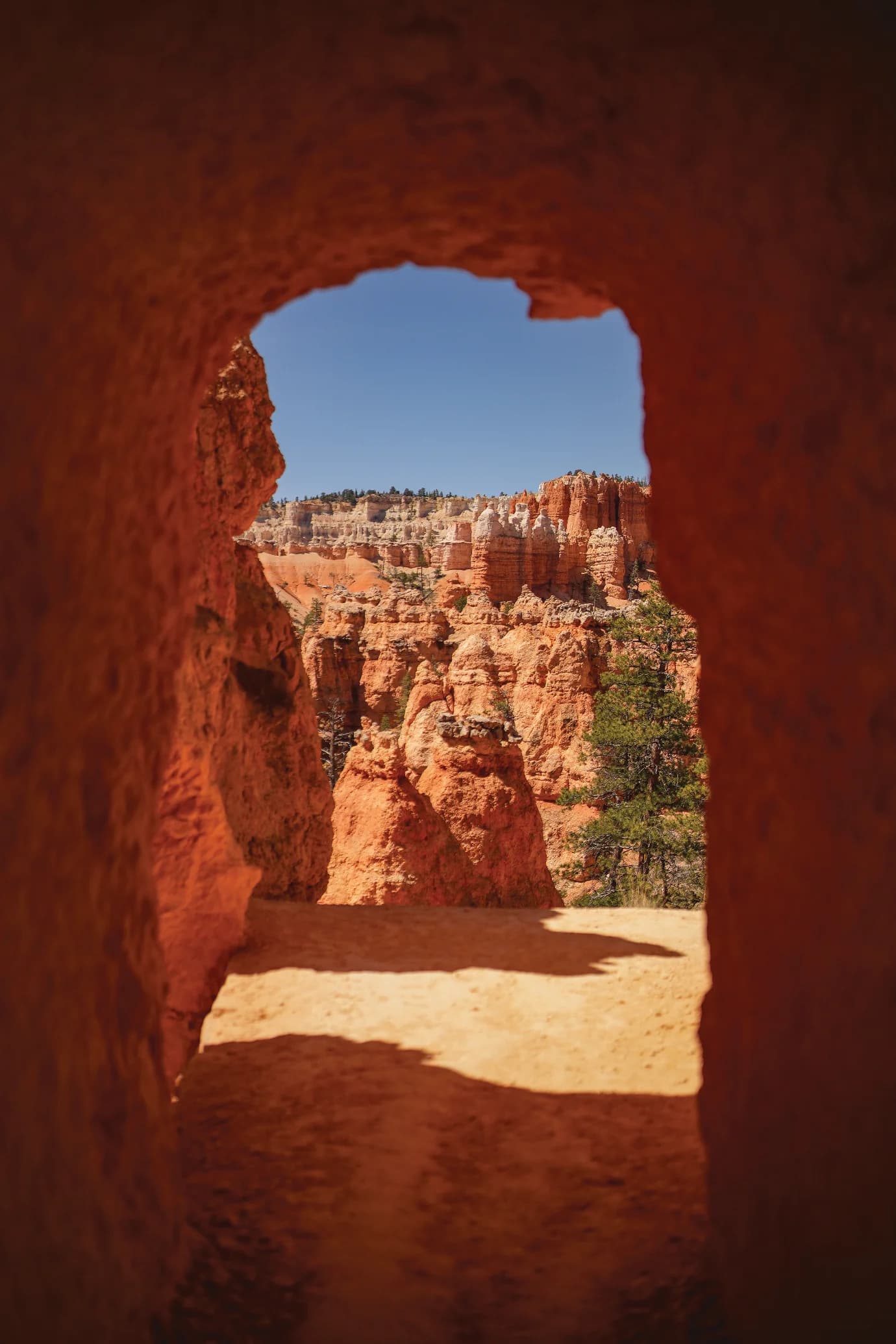
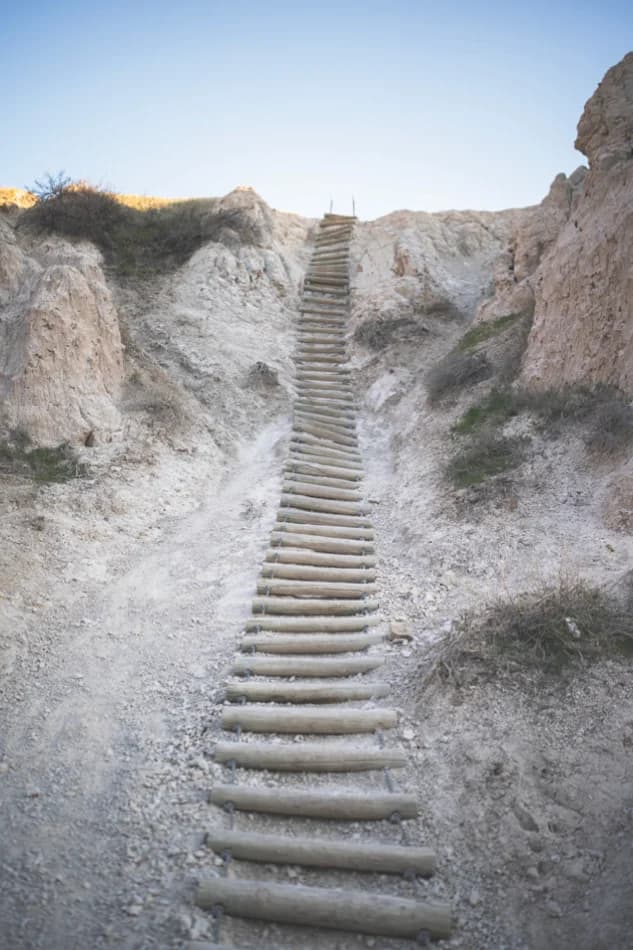
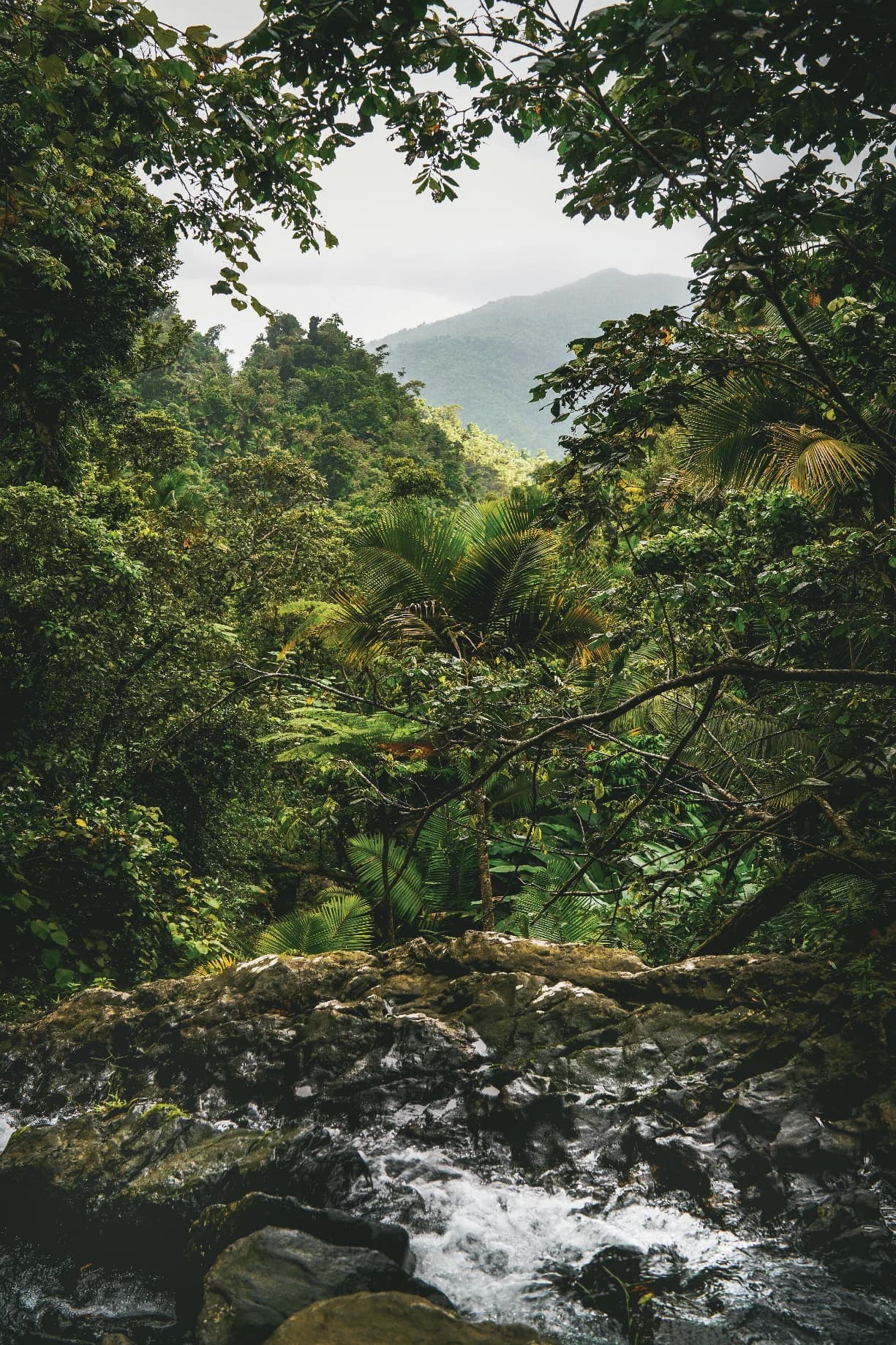
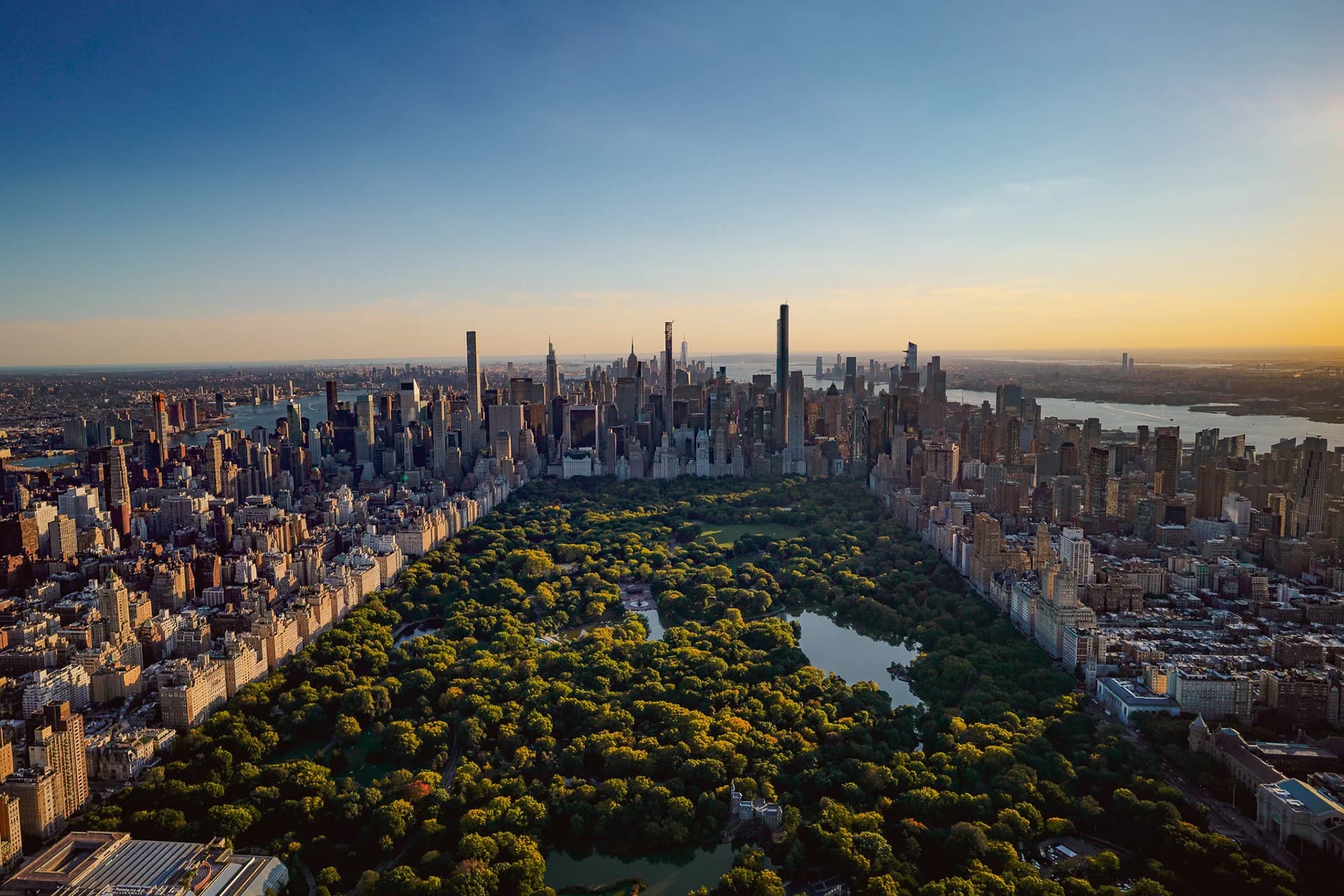
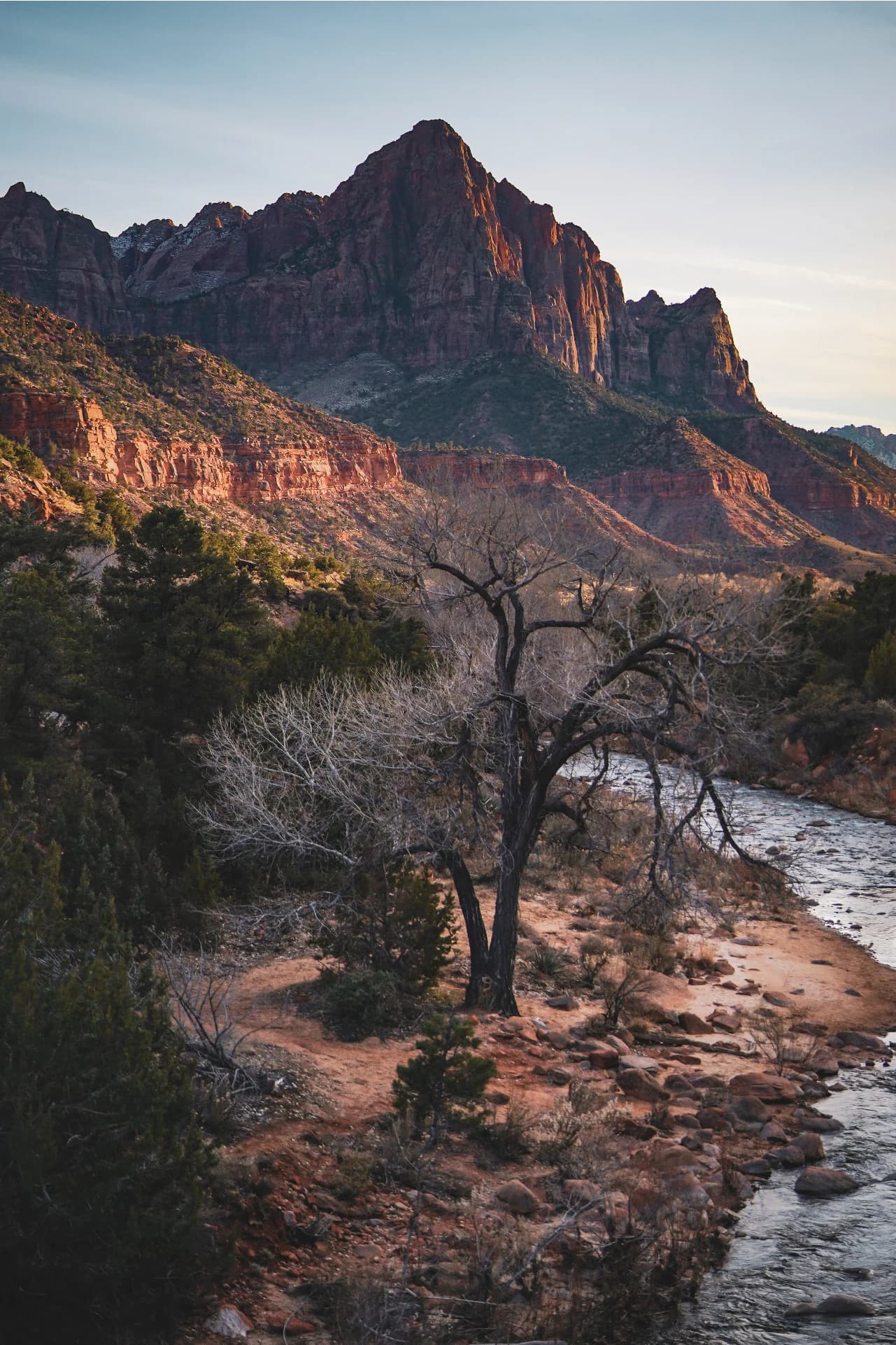
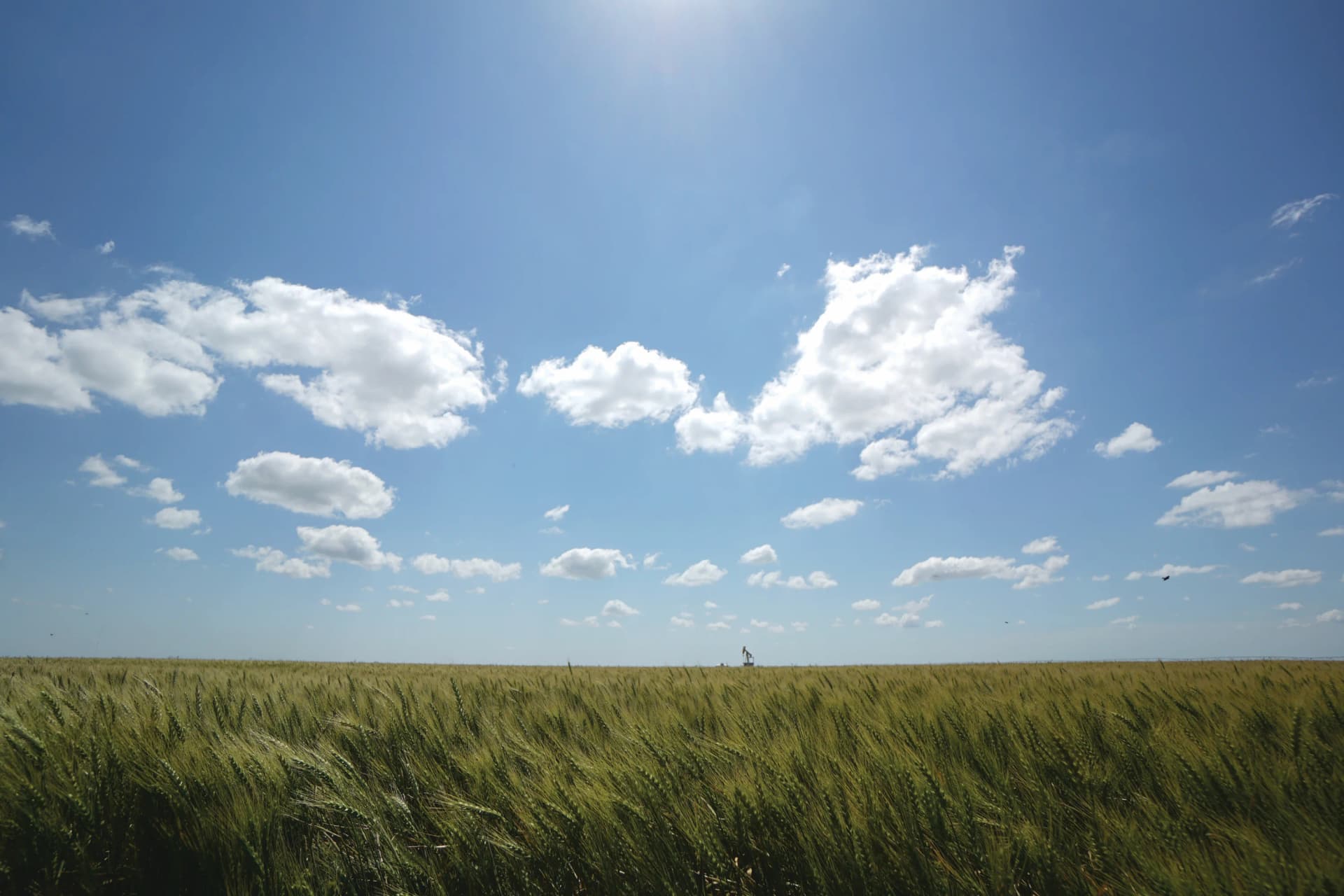
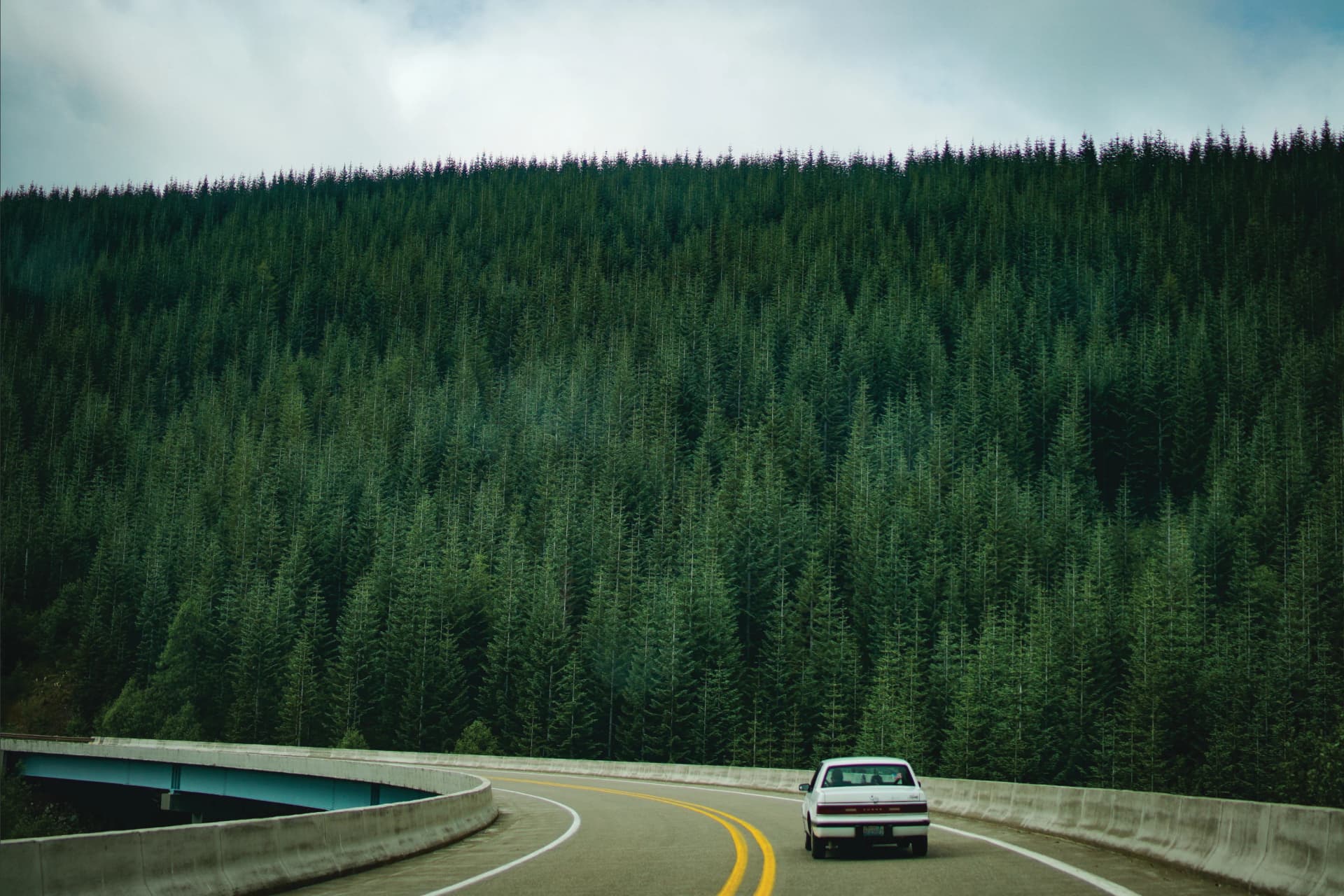
The 20 photographs below are drawn from the working archive that underpins the book and exhibition language. They are presented as a visual sequence for RPS review, not as claims that every frame was made inside a U.S. national park. Together they establish the project’s terrain: landscape, roads, paths, stairs, visitor infrastructure, wildlife, distance, and the repeated act of approaching a place.
Comments (0)
No comments yet. Be the first to share your thoughts!
Sign in to join the conversation